

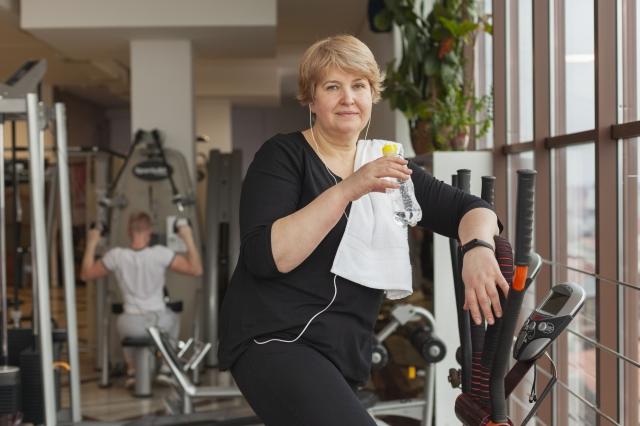
Staying active is crucial for maintaining overall health at any point in a woman's life, but it becomes particularly vital after menopause. The bodily changes that many women experience during and after menopause can be mitigated by the beneficial impacts of a regular exercise routine. Keep reading to discover the advantages of fitness after 50, what nutrition you must take, and the importance of exercise after menopause. Let's get started.
Nutrition to Take After Menopause
Women can stay young and energetic even after menopause if they are consuming good nutrition and doing physical exercises regularly. As you keep aging, your nutritional needs will change. Before menopause, you should consume 1,000 mg of calcium intake on a day-to-day basis. After menopause, you must take at least 1,200 mg of calcium every day.
Taking Vitamin D also becomes essential for calcium absorption and the formation of bone. Try to consume food or take sunlight to have 600 IU of Vitamin D daily until you age 70 and later on increase the intake to 800 IU.
The intake of Vitamin D can reduce the possibility of spinal fractures. However, too much calcium or vitamin D has side effects like causing kidney stones, abdominal discomfort, and constipation, so be careful when taking these two essential nutrients. Remember the key to fitness after 50 is to take in moderate amounts of nutrition so your body can handle it.
Exercise After Menopause
A lot of women experience weight gain after menopause, which may be linked to decreasing estrogen levels. Increasing your level of physical activity can help mitigate this weight gain. Regular exercise can help in weight loss after fifty and provides other numerous benefits, including improved heart health and stronger bones.
It also supports weight management and can enhance your mood. Individuals who do not engage in regular physical activity are at a higher risk for heart disease, obesity, high blood pressure, diabetes, and osteoporosis.
Apart from that, a sedentary lifestyle can lead to chronic back pain, insomnia, poor circulation, muscle weakness, and depression. The key to fitness after 50 is to keep your body moving.
Aerobic Exercises
Engaging in aerobic activities like walking, jogging, swimming, biking, and dancing can help prevent some of these health issues. These activities also help in weight loss after 50 and boost HDL cholesterol levels, known as the "good" cholesterol. Weight-bearing exercises and moderate weight training, contribute to increasing bone mass. After menopause, moderate exercise is essential for maintaining bone mass in the spine and reducing the risk of fractures.
Boosts Mood
Fitness after 50 is important as it also impacts your overall mood. Exercising triggers the release of endorphins in the brain, which can elevate your mood for several hours and assist your body in managing stress.
Consult Your Doctor First
It's essential to consult your healthcare professional before beginning any exercise routine, especially if you have been inactive for an extended period.
Conclusion
Fitness after 50 for women is vital. Staying active is one of the best ways to enhance your quality of life, improve your health, and maintain independence. From strength training and cardio to flexibility and balance exercises, there's a workout that fits your goals and supports lifelong wellness. If you are a woman who is looking for ways to become fit but doesn't know where to start you can join Menopause Fitness programs provided by the best coaches. Get started today and embrace the many benefits of being fit.